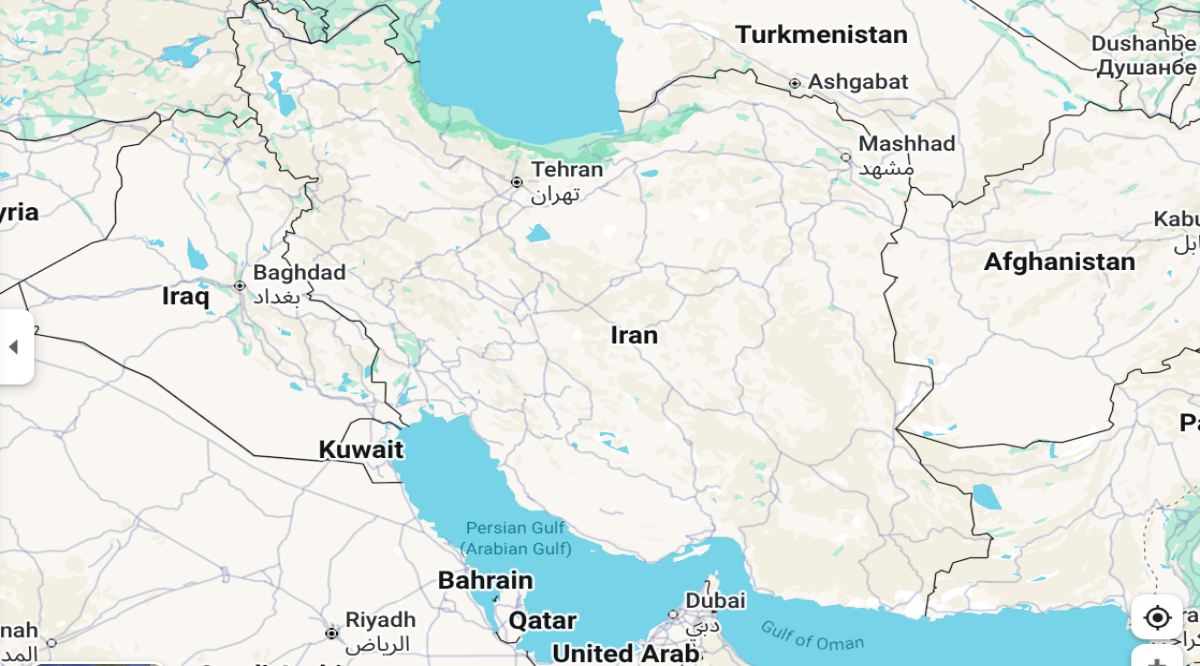
The geopolitical landscape of the Middle East is in a constant state of flux, shaped by historical grievances, ideological divides, and strategic rivalries. Recent reports indicate a significant escalation, with US and Israeli strikes reportedly inflicting substantial disruption upon Iran's military leadership. This development carries profound iran krieg auswirkungen, impacting not only Tehran's immediate operational capabilities but also its delicate internal power structures, particularly concerning the critical issue of Supreme Leader Ali Khamenei's succession.
These targeted actions, while often shrouded in discretion, aim to degrade Iran's capacity to project power and influence across the region, especially through its expansive network of proxy forces. The reported outcomes suggest a strategic success for the US and Israel, creating a ripple effect that extends far beyond mere military infrastructure to the very heart of Iran's political stability and future trajectory.
The Immediate Impact: Disrupting Military Command and Control
The primary and most immediate consequence of the US-Israeli strikes, as reported, is the severe disruption to Iran's military leadership. This isn't merely about removing key figures; it's about fracturing the command and control apparatus that underpins Iran's complex security architecture. Iran operates through a multi-layered military structure, comprising the regular Artesh (Army), the elite Islamic Revolutionary Guard Corps (IRGC), and its expeditionary Quds Force, which oversees foreign operations and proxy coordination. Disrupting leadership within these critical bodies can lead to:
- Decentralization of Authority: Lower-ranking commanders may struggle to receive clear directives, leading to disjointed operations or a hesitation to act without explicit authorization.
- Communication Breakdown: Key communication channels, both secure and conventional, can be compromised, hindering the rapid transmission of orders and intelligence.
- Erosion of Morale: The loss of experienced leaders and the perceived vulnerability of the command structure can significantly impact the morale of forces on the ground and across the chain of command.
- Strategic Paralysis: Without a coherent central command, Iran's ability to plan and execute complex military or proxy operations can be severely hampered, creating a vacuum that complicates its regional strategies.
This disruption manifests in tangible ways, offering a clear measure of the strikes' immediate iran krieg auswirkungen.
A Decline in Missile Activity
One of the most telling indicators of this operational paralysis is the reported drop in Iranian missile launches. Iran has invested heavily in its ballistic and cruise missile programs, viewing them as a cornerstone of its deterrent capability and a means to project power against regional adversaries. A reduction in these launches, whether directly from Iran or by its proxy groups, suggests several possibilities:
- Degraded Capability: The strikes may have targeted launch sites, missile depots, command centers overseeing missile operations, or even the personnel crucial for their deployment.
- Hesitation and Caution: With disrupted leadership, there might be a reluctance to authorize high-stakes missile launches, fearing further escalation or a miscalculation that could invite even heavier retaliation.
- Supply Chain Disruptions: Sustained strikes could impact the flow of components, maintenance, or technical support necessary to keep missile systems operational.
- Strategic Reassessment: The regime might be undergoing a period of intense reassessment, prioritizing internal stability and succession over external provocations in the face of significant pressure.
This decline in missile activity directly illustrates the tangible impact of US-Israeli actions on Iran's immediate military posture. For a deeper dive into how this drop in activity affects regional dynamics, consider reading our related analysis: Iran's Missile Launches Drop: Impact of US-Israeli Action.
Escalating the Succession Challenge: Khamenei's Replacement
Beyond the immediate military fallout, the strikes have injected an unprecedented level of urgency and volatility into Iran's already sensitive succession planning for Supreme Leader Ali Khamenei. Khamenei, 85, has been Iran's paramount spiritual and political leader since 1989. His health has been a recurring subject of speculation, making the question of his successor a constant, albeit often unspoken, undercurrent in Iranian politics. The current external pressure from US-Israeli actions significantly complicates this delicate process, creating substantial iran krieg auswirkungen on the regime's long-term stability.
The process of selecting a new Supreme Leader is shrouded in secrecy, theoretically falling to the Assembly of Experts, an 88-member body of high-ranking clerics. In practice, powerful factions within the regime, particularly the IRGC and the clerical establishment, exert immense influence. External pressure at such a critical juncture introduces several destabilizing factors:
- Intensified Factionalism: Rival factions, traditionally vying for influence, may see this moment as an opportunity to push their preferred candidates, potentially leading to overt infighting.
- Reduced Consensus Building: The need for a swift, unified decision is paramount in times of crisis, but external threats can make consensus harder to achieve as different groups blame each other for vulnerabilities.
- Increased IRGC Influence: The IRGC, already a powerful political and economic force, may seek to further consolidate its power in the absence of a strong, established leader, potentially favoring a hardline military figure.
- Vulnerability to External Manipulation: A chaotic succession could create openings for foreign powers to attempt to influence the outcome, further undermining Iran's sovereignty and stability.
The regime's scramble to select Khamenei's replacement under duress highlights the multifaceted nature of the current crisis. To understand the intricacies of this internal power struggle, explore our detailed report: Khamenei's Successor: US-Israeli Strikes Spark Iran's Leadership Crisis.
Broader Geopolitical Ramifications (iran krieg auswirkungen)
The iran krieg auswirkungen of these strikes extend far beyond Iran's borders, reverberating across the volatile Middle East and impacting international relations. The immediate implications for regional stability are profound:
- Proxy Network Uncertainty: Iran's extensive network of proxy groups—Hezbollah in Lebanon, Houthi rebels in Yemen, and various militias in Iraq and Syria—rely heavily on Iranian support, funding, and strategic guidance. Disrupted leadership in Tehran could lead to these groups becoming less coordinated, more unpredictable, or even temporarily less effective, creating a vacuum that other regional actors might try to fill.
- Heightened Regional Tensions: While the strikes aim to deter, they also risk further escalation. Neighboring countries, particularly Saudi Arabia and the UAE, will be closely watching for signs of Iranian retaliation or shifts in regional power dynamics.
- International Diplomacy on Edge: Major global powers like the US, EU, Russia, and China will be forced to recalibrate their diplomatic approaches to the region. The prospects for revived nuclear talks, for example, could become even more complex amidst heightened military tensions and internal Iranian instability.
Economic and Social Fallout
Internally, the economic and social consequences of continued military pressure can be severe. Iran's economy already struggles under heavy international sanctions and mismanagement. Military expenditures and the costs of rebuilding after strikes divert precious resources from public services. This adds to public discontent, which has manifested in various waves of protests in recent years. A struggling economy coupled with a perceived leadership vacuum or contested succession could:
- Exacerbate Public Dissent: Economic hardship and a sense of instability could fuel renewed protests against the regime, challenging its legitimacy from within.
- Increase Authoritarianism: Historically, regimes facing external threats and internal dissent often resort to harsher crackdowns to maintain control, further limiting civil liberties.
- Impact Oil Markets: Any significant disruption in Iranian oil exports or perceived threat to regional shipping lanes could send tremors through global oil markets, potentially driving up prices.
Looking Ahead: Challenges and Strategic Considerations
The long-term iran krieg auswirkungen remain to be seen, but several challenges and strategic considerations emerge from this volatile situation. While the strikes have reportedly crippled Iran's military leadership and impacted its succession planning, the Iranian regime has historically shown remarkable resilience in the face of adversity. Their response, or lack thereof, in the coming weeks will be critical.
For the US and Israel, the challenge lies in sustaining pressure without inadvertently triggering an uncontrollable escalation. The strategic goals likely involve deterring Iran's nuclear ambitions, curbing its regional adventurism, and possibly weakening the current regime's grip on power. However, any misstep could ignite a wider regional conflict with devastating consequences.
Navigating the Complex Landscape
For policymakers, analysts, and concerned global citizens, understanding this intricate situation requires careful analysis and a nuanced perspective. Here are some actionable tips:
- Tip 1: Monitor Proxy Group Activity Closely: A key indicator of the strikes' long-term effectiveness will be the activity levels and strategic shifts of Iranian-backed groups. A significant reduction in their operations or a visible change in their capabilities would suggest sustained impact on Tehran's ability to project power.
- Tip 2: Analyze Official Statements Cautiously: Both Iranian and US/Israeli official statements should be cross-referenced with independent intelligence and verifiable facts. Disinformation and strategic ambiguity are common tools in such high-stakes environments.
- Tip 3: Consider Multi-faceted Warfare: Recognize that "strikes" aren't solely kinetic. Cyber warfare, economic sanctions, and psychological operations play equally crucial roles in modern conflict, and their combined effects contribute to the overall iran krieg auswirkungen.
In conclusion, the US-Israeli strikes represent a significant inflection point in the ongoing standoff with Iran. The reported crippling of military leadership and the exacerbation of the succession crisis within the regime signal a period of profound uncertainty and potential transformation for Iran. The iran krieg auswirkungen are widespread, touching upon military capabilities, internal political stability, regional power dynamics, and international relations. As events unfold, the world watches closely, aware that the repercussions of these actions will shape the future of the Middle East for years to come.