US-Israeli Strikes and the Deepening Leadership Crisis in Iran
Recent reports indicate a significant escalation in the ongoing geopolitical tensions surrounding Iran, with alleged US and Israeli strikes reportedly targeting and disrupting key elements of Iran's military infrastructure and command structure. These actions appear to have triggered a profound leadership crisis within the Islamic Republic, fundamentally altering the dynamics of power at a critical juncture. The immediate fallout includes a noticeable drop in Iran's missile launch activities and, more crucially, an intensified scramble within the regime to determine the successor to Supreme Leader Ayatollah Ali Khamenei. This confluence of external pressure and internal instability sets the stage for unprecedented challenges and unpredictable implications of the Iran conflict, impacting not just the nation but the broader Middle East and global stability.
The severity of these strikes, while not fully detailed in public domains, suggests a calculated effort to degrade Iran's offensive capabilities and perhaps even influence its internal political succession. As we delve into the multifaceted effects of this US-Israeli action, it becomes clear that these events have far-reaching strategic consequences, especially concerning the stability of a nation already grappling with domestic unrest and economic pressures.
The Strategic Impact of Targeted Strikes on Iran's Military
While specific details surrounding the alleged US and Israeli strikes remain largely confined to intelligence circles, their reported objective and immediate aftermath paint a clear picture of strategic disruption. Intelligence assessments and expert analysis suggest that these operations were highly targeted, focusing on critical nodes within Iran's military leadership and its advanced weapons programs. Such targets could include:
- Command and Control Centers: Crippling the ability of military leaders to issue orders and coordinate actions across various branches.
- Missile Production and Storage Facilities: Directly impacting Iran's capacity to project power through its extensive ballistic missile arsenal and drone technology.
- Key Personnel: Eliminating or neutralizing high-ranking officers involved in strategic planning or specific military operations, creating a vacuum in leadership and expertise.
- Cyber Infrastructure: Disrupting communication networks and data systems vital for military operations and intelligence gathering.
The reported consequence – a significant decrease in Iran's missile launches – serves as a tangible indicator of the strikes' efficacy. This reduction is not merely a quantitative drop; it signifies a potential impairment of Iran's ability to swiftly deploy its most potent conventional deterrent and offensive weapons. This disruption forces the Iranian military to re-evaluate its operational readiness, communications protocols, and internal security measures, creating a climate of uncertainty and potentially hindering its support for regional proxies like Hezbollah, Hamas, and the Houthis.
For international observers, the reduced missile activity offers a temporary reprieve from immediate threats, but it also raises questions about Iran's potential long-term responses. Analysts are closely watching whether this pause is temporary, indicating a period of regrouping, or if it represents a more lasting degradation of capabilities. The iran krieg auswirkungen on the regime's military doctrine and future strategic planning will undoubtedly be profound, potentially leading to a recalibration of its regional posture and internal defense strategies.
Khamenei's Succession: A Crisis Amplified by External Pressure
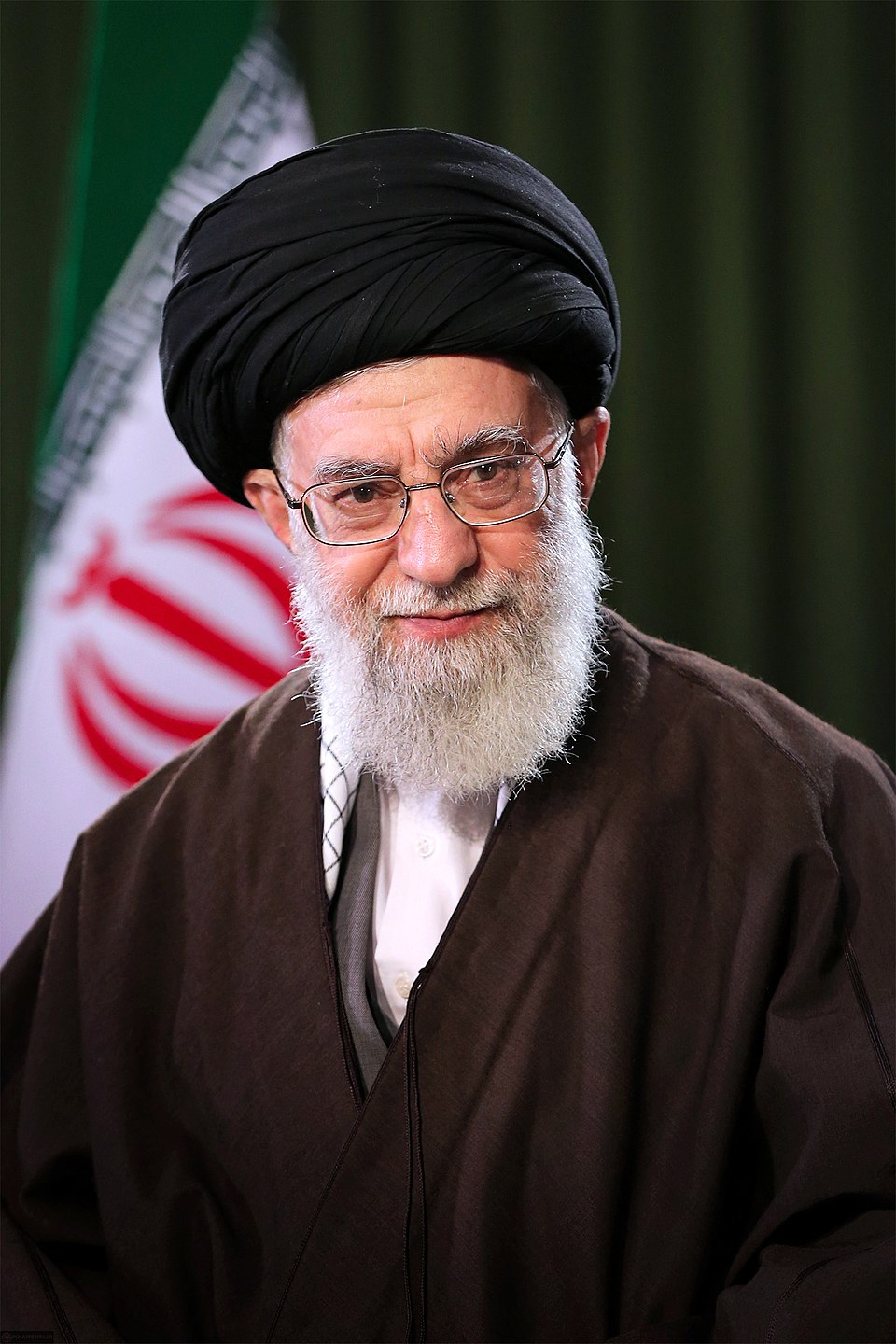
The most critical and potentially destabilizing consequence of these strikes appears to be the amplification of Iran's already complex leadership succession dilemma. Supreme Leader Ayatollah Ali Khamenei, at 85, has led Iran since 1989. His health and advanced age have long made his succession a pivotal, albeit secretive, topic within Iran's political establishment. Khamenei wields ultimate authority over all major state policies, including the military, judiciary, and foreign affairs. His replacement is not just a change of leadership; it's a redefinition of the Islamic Republic's ideological direction, internal power balance, and regional strategy.
The US-Israeli strikes have thrown a potent new variable into this already delicate process. The fact that the regime is reportedly "scrambling" to select a replacement indicates a sense of urgency and perhaps even disarray. Here's why the strikes are exacerbating this crisis:
- Weakened Authority and Prestige: A regime perceived as unable to protect its military assets or its leadership from external attacks appears vulnerable. This could undermine the authority of potential successors or the legitimacy of the succession process itself, both domestically and internationally.
- Internal Factionalism Intensified: Iran's political landscape is dominated by various factions, primarily hardliners. Potential successors like President Ebrahim Raisi or Mojtaba Khamenei (the Supreme Leader's son) represent different power bases and ideological leanings. The strikes could empower some factions by highlighting the need for a strong, decisive leader capable of deterring external threats, while weakening others seen as ineffective or too conciliatory.
- Security Concerns Elevated: The security environment itself becomes a major consideration. The succession must be managed in a way that prevents further external exploitation of internal vulnerabilities. This could lead to a more hurried or less transparent selection process, potentially increasing internal dissent and making it harder for a new leader to consolidate power.
- Legitimacy Crisis Risk: If the succession process is perceived as rushed, externally influenced, or deeply divided, it could face a severe legitimacy crisis among the populace. This scenario could further fuel anti-regime protests and widespread instability, given the historical precedent of public dissent in Iran.
The iran krieg auswirkungen on the succession are multifaceted: it transforms a carefully orchestrated, behind-the-scenes political transition into a high-stakes, potentially chaotic process vulnerable to both internal power plays and external pressures. The nature of the next Supreme Leader will significantly shape Iran's trajectory in the coming decades, making this leadership crisis a pivotal moment for the nation and the region.
Regional Stability and Geopolitical Repercussions
The immediate and long-term implications of the Iran conflict extend far beyond Iran's borders. The Middle East is a complex tapestry of alliances, rivalries, and proxy conflicts, and any significant shift in Iran's internal stability or external posture sends ripple effects across the entire region:
- Increased Volatility: A weakened or unstable Iran, especially during a leadership transition, could act unpredictably. This might lead to intensified proxy activities as the regime attempts to project strength externally to compensate for internal weaknesses, or, conversely, a period of introspection and withdrawal to focus on domestic challenges.
- Shifting Alliances: Regional adversaries like Saudi Arabia and the UAE will be closely monitoring the situation, potentially recalibrating their own security strategies and alliances. The Abraham Accords nations might see this as validation of their concerns about Iran, potentially deepening their security cooperation with Israel and the US.
- Global Power Dynamics: Major global players such as Russia and China, both of whom have vested interests in Iran as an energy supplier and strategic partner, will be carefully assessing the situation. Russia, in particular, relies on Iran for military cooperation in certain theaters, and any disruption to Iran's military capabilities or leadership could impact these partnerships and global energy markets.
- Economic Impact: Heightened instability in the Persian Gulf region invariably leads to volatility in global oil prices. Any prolonged crisis or conflict could disrupt vital shipping lanes in the Strait of Hormuz, leading to significant economic repercussions worldwide and impacting global supply chains.
The risk of miscalculation by any party remains high. While the strikes may have temporarily reduced certain threats, they have simultaneously escalated the overall tension, creating a precarious balance where a single misstep could trigger a wider regional conflagration. Understanding these complex iran krieg auswirkungen is crucial for international diplomacy and de-escalation efforts, requiring careful consideration of all potential outcomes.
Navigating Uncertainty: What Comes Next?
In a situation as fluid and opaque as Iran's current state, predicting the future is fraught with difficulty. However, several key indicators and potential pathways emerge from the current crisis:
- Iran's Response: The regime faces a dilemma: respond forcefully to external aggression, risking further escalation, or prioritize internal stability and succession. Any response is likely to be calibrated, possibly through proxies or in the cyber domain, to avoid direct direct military confrontation with superior military powers, while still projecting strength.
- The Succession Outcome: The identity and ideological stance of Khamenei's successor will be paramount. Will it be a hardliner who doubles down on confrontation with the West, or a more pragmatic figure willing to engage in limited dialogue? The process itself, whether swift and unified or prolonged and contested, will signal the regime's internal strength or fragility.
- International Diplomacy: The international community, particularly the remaining signatories of the JCPOA (Iran nuclear deal), will be challenged to find a diplomatic off-ramp. Renewed dialogue or new forms of engagement might be necessary to prevent uncontrolled escalation and to address Iran's nuclear program and regional behavior.
- Internal Dissidence: External pressure and internal leadership crises historically create fertile ground for popular dissent. The regime's ability to manage public discontent while navigating a leadership transition will be a key factor in its survival and future stability. Look for signs of increased protests or crackdowns.
For individuals and organizations with interests in the region, staying informed and understanding these complex consequences of the conflict with Iran is paramount. Monitoring official statements, regional news outlets, and expert analyses can provide crucial insights into a rapidly evolving situation. Prudent risk assessment and scenario planning are advisable for anyone impacted by geopolitical shifts in the Middle East, including investors, policymakers, and humanitarian organizations.
Conclusion
The alleged US-Israeli strikes against Iran represent a significant turning point, not only degrading parts of its military capabilities but, more importantly, precipitating an acute leadership crisis surrounding the succession of Supreme Leader Ayatollah Ali Khamenei. The immediate fallout, including a reduction in missile launches and an internal "scramble" for succession, underscores the profound and multifaceted iran krieg auswirkungen now unfolding. This precarious situation demands careful monitoring and thoughtful diplomacy from the international community. As Iran navigates this period of heightened external pressure and internal uncertainty, the trajectory of its leadership transition will undoubtedly shape the future stability of the Middle East and carry significant implications for global security and economic landscapes for years to come.